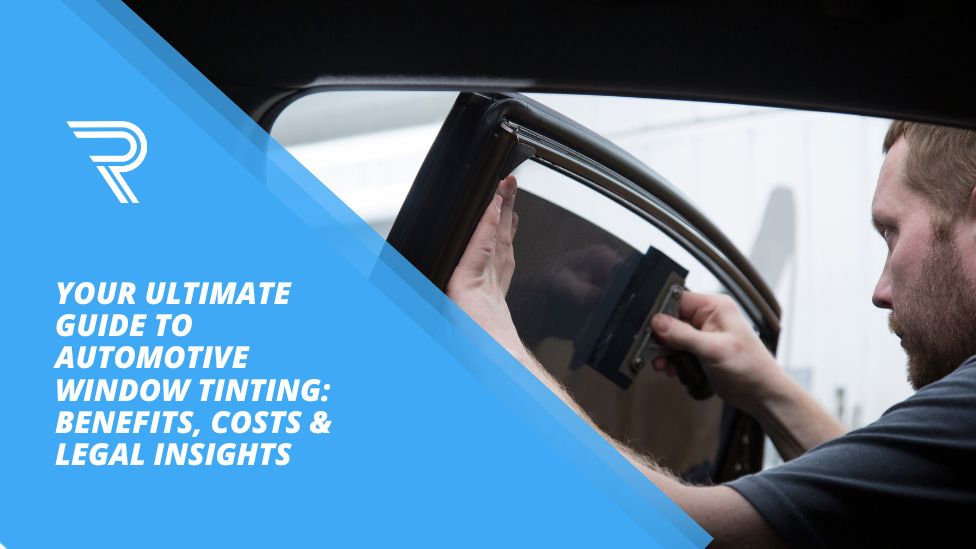
Window tinting is more than just a visual upgrade. It’s a practical enhancement that improves comfort, safety, and protection. Whether you’re aiming for a sleek look, better privacy, or reduced cabin heat, tinting your car windows can be one of the most rewarding investments for your vehicle. In this guide, we’ll explore the different types of tint, their benefits, pricing, and answer the all-important question: Is window tinting legal where you live?
What Is Automotive Window Tinting?
Window tinting involves applying a specialized film to the glass surfaces of a vehicle to limit sunlight and UV exposure. These films vary in composition and performance, offering a range of options from basic to premium.
Common Types of Tint Film:
- Dyed Film: Budget-friendly with decent glare reduction and privacy, though limited heat resistance.
- Metallic Film: Highly reflective and effective at heat blocking, but may interfere with GPS and electronic signals.
- Carbon Film: A matte-finish option that combines excellent UV protection with no signal issues.
- Ceramic Film: The most advanced type, providing top-tier clarity, heat rejection, and UV defense without compromising electronics.
Why Tint Your Windows? Top Advantages
Tinted windows offer much more than good looks. Here are the top benefits of installing automotive window tint:
- Better Heat Control
Quality tints can deflect up to 60% of solar heat, keeping your cabin cooler and easing the strain on your A/C system. - Powerful UV Protection
Tinting blocks up to 99% of harmful UV rays, helping to prevent skin damage and interior fading or cracking. - Privacy & Security Boost
Darker windows deter prying eyes and make it harder for potential thieves to spot valuables inside your car. - Improved Visibility & Comfort
Reduces glare from sunlight and headlights, making driving safer and more comfortable, especially at dawn and dusk. - Added Safety
In the event of an accident, certain films help hold shattered glass together, reducing the risk of injury.
How to Choose the Right Window Tint
With so many options available, it’s essential to match the right tint to your needs and budget. Here are some key factors to consider:
- Visible Light Transmission (VLT%): The lower the VLT, the darker the tint. Make sure it’s legal in your area.
- UV and Heat Rejection: Prioritize high-performance films if you live in a hot or sunny climate.
- Durability and Warranty: Longer warranties typically mean better quality and longevity.
- Local Laws: Always verify the legal limits for window tinting in your region.
Top-Rated Tint Brands:
- 3M Automotive Window Film
- LLumar
- SunTek
- XPEL
- FormulaOne
These brands are renowned for durability, clarity, and consistent performance.
Benefits Drivers Often Overlook
- Safety in an accident. Window film helps hold broken glass together, which reduces flying shards.
- Less temptation for thieves. Tinted windows make it harder to see valuables inside, which discourages smash-and-grab break-ins.
- Cooler electronics. Lower cabin heat and less direct sun are easier on screens, dash cameras and other electronics.
Are Window Tints Legal in Florida?
Florida Statutes 316.2952 to 316.2954 set the limits. VLT (visible light transmission) is the share of light a window lets through, so a lower number means a darker tint.
- Front side windows: at least 28% VLT, and no more than 25% reflective.
- Rear side and back windows on cars: at least 15% VLT, and no more than 35% reflective.
- Rear side and back windows on SUVs, vans and trucks: at least 6% VLT, and no more than 35% reflective.
- Windshield: only a transparent strip along the top, above the AS-1 line.
Florida also issues medical exemption certificates for people with conditions that need limited light exposure. Tint laws differ from state to state, so check the rules again if you register the car somewhere else. See our window tinting page for film options.
FAQs About Automotive Window Tinting
How long will my window tint last?
Premium tints installed by professionals typically last between 5–10 years.
Is tint removable?
Yes. Window tint can be safely removed using steam or adhesive removers without damaging your glass.
Will tinting reduce night visibility?
Darker tints can slightly affect visibility at night. Opt for high-clarity ceramic films if night driving is a concern.
Caring for Your Window Tint
Keep your tint looking fresh and extend its lifespan by following these simple maintenance tips:
- Post-Installation: Don’t roll down your windows for at least 3–5 days.
- Cleaning: Only use ammonia-free cleaners and a soft microfiber cloth.
- Sun Protection: Park in shaded areas or use a windshield sunshade to minimize UV wear.
Is Automotive Window Tint Worth It?
Without a doubt. Window tinting delivers an impressive mix of form and function, enhancing your car’s appearance while offering real-world benefits like heat reduction, UV shielding, and added privacy. From budget tints to high-end ceramic films, there’s an option for every driver.
Before getting started, make sure to:
- Choose the best type of window tint for your goals
- Know the average cost for window tinting in your area
- Confirm the legal limits to avoid fines or required removal
Final Thoughts
Window tinting is one of the most cost-effective and beneficial upgrades for your vehicle. Whether you’re going for the sleek look or protecting your interior, it’s an upgrade that pays off every time you get behind the wheel.
Let me know if you’d like this version tailored for SEO, turned into web content, or formatted for a brochure or landing page!